


"Designing for the Future: Emerging Trends in Website Design"
- The Moolah Team
- Jun 22, 2023
- 11 min read

This post will look at the latest trends in website design and how they're shaping the future of the industry.
It will cover topics like voice search, chatbots, augmented reality, and the use of artificial intelligence in website design and development.
I. Introduction: Designing for the Future
In today's fast-paced digital age, keeping up with emerging trends in website design is essential. Websites play a critical role in modern businesses, and the design of a website can make a significant difference in attracting and retaining customers. As technology continues to evolve, the way people interact with websites is also changing. From voice search to chatbots, augmented reality, and artificial intelligence (AI), the future of website design is an exciting landscape to explore.
In this blog post, we will delve into the latest trends in website design and how they're shaping the future of the industry. The focus will be on how these emerging trends can improve user experience, enhance website functionality, and ultimately drive conversions. We will examine each trend in-depth, explore how businesses can take advantage of them, and provide tips for implementing them on your website.
While it's important to keep up with the latest trends in website design, it's equally crucial to understand why these trends are emerging. By understanding the underlying needs and motivations behind these trends, businesses can better design websites that cater to their users' needs.
In the following sections, we will explore four emerging trends in website design: voice search, chatbots, augmented reality, and AI. These trends are transforming the way people interact with websites and providing new opportunities for businesses to improve their online presence.
So, let's dive into each of these trends in more detail and see how they can benefit your website and your business.
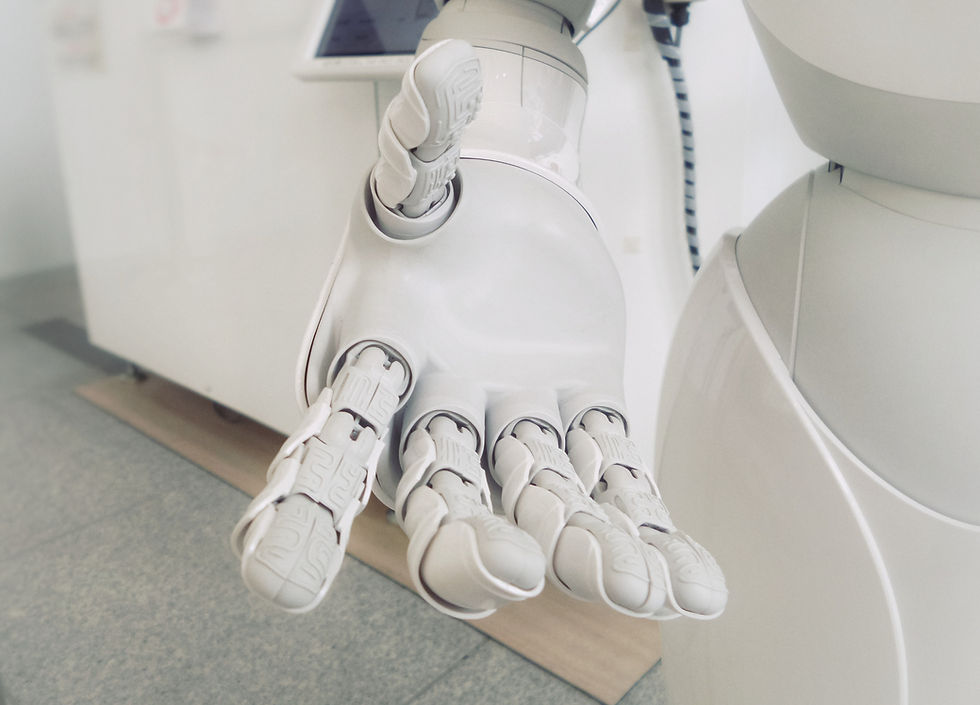
II. Chatbots: The Rise of Conversational AI
A. The Rise of Chatbots
Chatbots, or conversational agents, are computer programs designed to simulate human conversation. In recent years, the use of chatbots has skyrocketed. They are used for a variety of purposes, from customer service to marketing and sales. According to a study by Grand View Research, the global chatbot market is expected to reach $1.25 billion by 2025. This growth can be attributed to the numerous benefits that chatbots offer to businesses.
B. Benefits of Using Chatbots
One of the main benefits of chatbots is their ability to provide 24/7 customer service. Unlike human agents, chatbots can handle a high volume of inquiries at any time of the day or night. Chatbots can also handle repetitive tasks, such as answering frequently asked questions, freeing up human agents to focus on more complex issues. Additionally, chatbots can provide personalized recommendations and assistance based on a user's preferences, increasing customer satisfaction and loyalty.
C. Chatbot Design Best Practices
When designing a chatbot, there are several best practices to keep in mind. Firstly, chatbots should be designed to provide a seamless user experience. They should be easy to use, intuitive, and responsive. Additionally, chatbots should be designed to mimic human conversation as much as possible, using natural language processing (NLP) to understand user input and respond appropriately. It's also essential to ensure that chatbots are designed to handle errors and provide clear and concise responses.
D. Tips for Implementing Chatbots on Your Website
Implementing chatbots on your website can seem daunting, but with the right approach, it can be a straightforward process. Firstly, it's essential to identify the purpose of your chatbot and the tasks it will be designed to handle. From there, you can choose the right chatbot platform and design the conversation flow. It's also crucial to test your chatbot thoroughly before launching it on your website to ensure that it provides a seamless user experience.
In conclusion, chatbots are a rising trend in website design, and their benefits are numerous. By providing 24/7 customer service, handling repetitive tasks, and providing personalized recommendations, chatbots can improve customer satisfaction and loyalty. When designing and implementing chatbots, it's crucial to keep in mind the best practices for chatbot design and testing. With the right approach, chatbots can be an excellent addition to any website, providing an engaging and interactive experience for users.

III. Augmented Reality: Enhancing User Experience
A. Understanding Augmented Reality
Augmented reality (AR) is a technology that overlays digital information onto the physical world. AR can be experienced through a variety of devices, such as smartphones, tablets, and wearable technology. The use of AR in website design is on the rise, as it provides a unique and interactive experience for users.
B. Benefits of Using Augmented Reality
One of the primary benefits of using AR in website design is its ability to enhance user experience. By providing interactive and engaging content, AR can increase user engagement and improve customer satisfaction. AR can also be used to provide product demonstrations, allowing users to see how a product works before making a purchase. Additionally, AR can be used for virtual try-on experiences, allowing users to see how products like clothing or makeup will look on them.
C. Augmented Reality Design Best Practices
When designing for augmented reality, there are several best practices to keep in mind. Firstly, AR content should be designed to provide a seamless user experience. The content should be easy to access and use, and it should integrate seamlessly with the physical world. Additionally, it's important to ensure that AR content is relevant and adds value to the user's experience. AR should not be used simply for the sake of using AR; it should be used to enhance the user experience and provide value to the user.
D. Tips for Implementing Augmented Reality on Your Website
Implementing augmented reality on your website can seem daunting, but with the right approach, it can be a straightforward process. Firstly, it's essential to identify the purpose of your AR content and the tasks it will be designed to handle. From there, you can choose the right AR platform and design the content to provide a seamless user experience. It's also crucial to test your AR content thoroughly before launching it on your website to ensure that it provides a positive user experience.
In conclusion, augmented reality is a growing trend in website design, and its benefits are numerous. By enhancing user experience and providing interactive and engaging content, AR can increase user engagement and improve customer satisfaction. When designing and implementing AR content, it's crucial to keep in mind the best practices for AR design and testing. With the right approach, AR can be an excellent addition to any website, providing a unique and memorable experience for users.

IV. The Role of Artificial Intelligence in Website Design
A. Understanding Artificial Intelligence
Artificial intelligence (AI) refers to the ability of machines to perform tasks that would typically require human intelligence, such as learning, problem-solving, and decision-making. AI technology is increasingly being used in website design to automate tasks, improve user experience, and personalize content.
B. Benefits of Using Artificial Intelligence in Website Design
One of the primary benefits of using AI in website design is its ability to automate tasks that would otherwise require human intervention. For example, AI-powered chatbots can handle customer inquiries and support, freeing up human resources to focus on more complex tasks. Additionally, AI can be used to personalize content and user experience based on user behavior and preferences. This can improve user engagement and satisfaction, ultimately leading to increased conversion rates.
C. AI in Website Design: Examples and Use Cases
There are several examples of AI being used in website design. One common use case is the use of AI-powered chatbots for customer support. These chatbots can answer common customer inquiries, provide product recommendations, and even handle transactions. Another example of AI in website design is the use of predictive analytics to personalize content and user experience. Predictive analytics can analyse user behavior and preferences to provide personalized product recommendations and content.
D. The Future of AI in Website Design
The use of AI in website design is only expected to grow in the coming years. As AI technology becomes more advanced, it will be able to handle more complex tasks, such as natural language processing and sentiment analysis. This will enable AI-powered chatbots to provide even more sophisticated customer support and product recommendations. Additionally, the use of AI in website design will become more prevalent in industries such as e-commerce, healthcare, and finance.
In conclusion, artificial intelligence is playing an increasingly important role in website design, providing numerous benefits such as task automation, personalized user experience, and improved conversion rates. With the use of AI-powered chatbots and predictive analytics, website owners can improve customer support, personalize content, and ultimately drive business growth. As AI technology continues to advance, we can expect to see even more sophisticated and innovative uses of AI in website design.

V. The Use of Augmented Reality in Website Design
A. What is Augmented Reality?
Augmented reality (AR) is a technology that allows users to interact with digital content in a real-world environment. This is typically achieved through the use of a smartphone or tablet camera, which overlays digital content onto the real-world environment. Augmented reality has become increasingly popular in website design as a way to provide immersive and interactive user experiences.
B. Benefits of Using Augmented Reality in Website Design
One of the primary benefits of using augmented reality in website design is its ability to provide a more engaging and interactive user experience. By allowing users to interact with digital content in a real-world environment, augmented reality can make the user experience more memorable and fun. Additionally, augmented reality can be used to showcase products and services in a more engaging way, leading to increased sales and conversions.
C. Examples of Augmented Reality in Website Design
There are several examples of augmented reality being used in website design. One common use case is the use of augmented reality to showcase products. For example, a furniture retailer might use augmented reality to allow users to see what a piece of furniture would look like in their home before making a purchase. Another example of augmented reality in website design is the use of virtual try-on features for clothing retailers. This allows users to see how a piece of clothing would look on them before making a purchase.
D. The Future of Augmented Reality in Website Design
The use of augmented reality in website design is still relatively new, but it is expected to become increasingly popular in the coming years. As the technology becomes more advanced and accessible, we can expect to see more innovative uses of augmented reality in website design. For example, augmented reality could be used to create interactive educational experiences, allowing users to learn about a topic in a more engaging way.
In conclusion, the use of augmented reality in website design provides numerous benefits, including more engaging and interactive user experiences, increased sales and conversions, and innovative educational opportunities. With the continued advancement of augmented reality technology, we can expect to see even more creative and innovative uses of AR in website design.

VI. The Use of Artificial Intelligence in Website Design and Development
A. What is Artificial Intelligence?
Artificial intelligence (AI) refers to the ability of computers and machines to perform tasks that typically require human intelligence, such as understanding natural language, recognizing images, and making decisions. In website design and development, AI can be used to automate certain tasks, such as content creation and optimization, as well as to provide personalized user experiences.
B. Benefits of Using Artificial Intelligence in Website Design and Development
One of the primary benefits of using AI in website design and development is its ability to automate time-consuming tasks. For example, AI-powered content creation tools can generate high-quality content in a matter of minutes, saving website owners and developers a significant amount of time and resources. Additionally, AI can be used to personalize the user experience, such as by recommending products or services based on a user's browsing history or behavior.
C. Examples of Artificial Intelligence in Website Design and Development
There are several examples of AI being used in website design and development. One common use case is the use of chatbots, which can provide instant customer support and assistance. Another example is the use of predictive analytics to optimize website content and design based on user behavior and preferences.
D. The Future of Artificial Intelligence in Website Design and Development
As AI technology continues to advance, we can expect to see even more innovative uses of AI in website design and development. For example, AI could be used to create more sophisticated and realistic chatbots, allowing for even more personalized and engaging user experiences. Additionally, AI could be used to analyse large amounts of user data to identify trends and patterns, enabling website owners and developers to make more informed decisions.
E. Considerations When Using Artificial Intelligence in Website Design and Development
While there are many benefits to using AI in website design and development, there are also several considerations to keep in mind. For example, website owners and developers must ensure that AI is being used ethically and transparently, and that user data is being handled responsibly. Additionally, it is important to consider the potential impact of AI on employment and job security, as automation may lead to job displacement in certain industries.
In conclusion, the use of artificial intelligence in website design and development provides numerous benefits, including automation of time-consuming tasks, personalized user experiences, and data-driven decision-making. As AI technology continues to advance, we can expect to see even more innovative uses of AI in website design and development. However, it is important to consider the ethical and social implications of AI, and to ensure that it is being used in a responsible and transparent manner.

VII. The Future of Website Design
Website design is an ever-evolving field that is constantly pushing boundaries and exploring new technologies. As we move into the future, we can expect to see even more exciting and innovative trends emerge.
Here are some predictions for what the future of website design may hold:
A. Increased Use of AI and Machine Learning
As AI and machine learning technology continue to advance, we can expect to see more and more websites utilizing these tools to enhance user experiences. This may include personalized content recommendations, chatbots that can handle customer inquiries, and even AI-powered website design that adapts to individual user preferences.
B. More Focus on Accessibility
In recent years, there has been a growing focus on making websites accessible to everyone, including those with disabilities. This trend is only going to continue, with more and more websites making use of accessibility tools such as screen readers, high-contrast modes, and voice-activated interfaces.
C. Greater Emphasis on Privacy and Security
As data breaches and privacy concerns continue to make headlines, website designers will need to place a greater emphasis on protecting user data and ensuring that their sites are secure. This may include incorporating stronger encryption, implementing two-factor authentication, and being more transparent about data collection and storage practices.
D. Continued Growth of Mobile-Friendly Design
As more and more people access the internet via their mobile devices, the importance of mobile-friendly website design will only continue to grow. This may include more responsive designs that adapt to different screen sizes, as well as the continued use of mobile-specific features such as tap-to-call buttons and GPS functionality.
E. Greater Use of AR and VR
As augmented and virtual reality technology continues to advance, we can expect to see more and more websites incorporating these features into their designs. This may include virtual showrooms for retail sites, AR-powered product demonstrations, and even fully immersive virtual worlds for gaming and entertainment sites.
In conclusion, website design is an exciting and dynamic field that is constantly evolving. By staying up-to-date with emerging trends and technologies, designers can create innovative and engaging websites that offer users the best possible experience. Whether it's incorporating AI, prioritizing accessibility, or embracing new forms of immersive technology, the future of website design is sure to be full of exciting possibilities.

VIII. Conclusion: Embracing the Future of Website Design
The future of website design is exciting and rapidly evolving. As technology continues to advance, we can expect to see more websites that are intuitive, user-friendly, and engaging. With the emergence of new trends such as voice search, chatbots, augmented reality, and artificial intelligence, it's clear that designers must stay on top of these developments to create websites that stand out in a crowded online space.
Designers must also be mindful of the user experience and ensure that websites are accessible and easy to navigate for all users. This means incorporating features such as responsive design, clear calls to action, and effective use of white space.
Ultimately, the key to success in website design is to embrace new technologies and trends while keeping the user at the forefront of every decision. By doing so, designers can create websites that are not only visually appealing but also intuitive and engaging for users.
As we look to the future of website design, it's clear that there are many exciting developments on the horizon. By staying up to date with the latest trends and technologies, designers can create websites that are not only aesthetically pleasing but also functional and effective in achieving their goals. As always, the key is to keep the user at the heart of every decision and to strive for continuous improvement in all aspects of website design and development.
Thank you for taking the time to read this post on emerging trends in website design. We hope that you found it informative and engaging, and that it has provided you with some valuable insights into the future of website design. If you enjoyed this post, we invite you to subscribe to our newsletter for more updates on the latest developments in the world of website design and development. Thank you again for your support, and we look forward to sharing more content with you in the future.
Thanks a million,
Moolah



Comments