


Gaming and Social Media:
- The Moolah Team
- May 8, 2023
- 8 min read

An analysis of the role of social media in the gaming industry, including the impact of social media on game developers, publishers, and influencers.
This blog will cover topics such as the most popular social media platforms for gaming, the ways in which social media is used to promote and market games, and the impact of social media on the gaming community.
I. Introduction
A. Explanation of the topic: The Role of Social Media in the Gaming Industry
Gaming and social media have become increasingly intertwined in recent years, with social media platforms such as Twitch and YouTube providing new ways for gamers to connect with each other, share their experiences, and even earn money. The impact of social media on the gaming industry, from game development to marketing and promotion, cannot be understated. In this blog post, we will explore the ways in which social media has impacted the gaming industry, focusing on its effects on game developers, publishers, influencers, and the gaming community.
B. Importance of social media in gaming:
Social media has revolutionized the way gamers connect with each other, allowing them to form communities and share experiences in ways that were not possible before. Social media platforms such as Twitch and YouTube have become major players in the gaming industry, with millions of viewers tuning in to watch their favourite gamers play and interact with each other. Social media has also become an important tool for game developers and publishers to promote and market their games, as well as gather feedback from players.
C. Brief overview of the main sections:
In this blog post, we will begin by discussing the most popular social media platforms for gaming, including Twitch, YouTube, Twitter, and Facebook. We will then delve into the ways in which social media is used to promote and market games, and provide case studies of successful social media marketing campaigns. Next, we will examine the impact of social media on game developers, including how it is used to gather feedback from players and how it affects game development. We will also discuss the impact of social media on game publishers, including the role of influencers in promoting games on social media. Finally, we will explore the impact of social media on the gaming community, including the ways in which social media is used to build and maintain gaming communities, as well as its potential negative effects.
By the end of this blog post, readers will have a comprehensive understanding of the role of social media in the gaming industry and its impact on game development, marketing, and the gaming community.

II. The Most Popular Social Media Platforms for Gaming
A. Twitch
Twitch is the largest social media platform for gamers, with over 140 million monthly active users. It is primarily used for live streaming gameplay, with viewers able to interact with streamers through a chat feature. Twitch has become an important tool for game developers and publishers to promote their games, as well as for influencers to earn money through sponsorships and donations.
B. YouTube
YouTube is the second-largest social media platform for gamers, with over 1 billion monthly active users. It is primarily used for sharing gameplay videos, including Let's Play videos, walkthroughs, and tutorials. YouTube has become an important tool for game developers and publishers to promote their games, as well as for influencers to earn money through ad revenue and sponsorships.
C. Twitter
Twitter is a popular social media platform for gamers, with over 330 million monthly active users. It is primarily used for sharing short messages, or tweets, and has become an important tool for game developers and publishers to promote their games, as well as for influencers to build their brand and engage with their followers.
D. Facebook
Facebook is a popular social media platform for gamers, with over 2.8 billion monthly active users. It is primarily used for sharing updates, photos, and videos, and has become an important tool for game developers and publishers to promote their games, as well as for influencers to engage with their followers.
E. Instagram
Instagram is a popular social media platform for gamers, with over 1 billion monthly active users. It is primarily used for sharing photos and videos, and has become an important tool for game developers and publishers to promote their games, as well as for influencers to build their brand and engage with their followers.
F. Other Platforms
There are many other social media platforms that are popular among gamers, including Discord, Reddit, and TikTok. These platforms have become important tools for building and maintaining gaming communities, as well as for influencers to connect with their followers.
In conclusion, social media has become an important tool for gamers, game developers, publishers, and influencers. Twitch and YouTube are the largest social media platforms for gamers, but Twitter, Facebook, and Instagram are also popular. Game developers and publishers use social media to promote their games, while influencers use it to build their brand and engage with their followers. Other platforms such as Discord and Reddit are important tools for building and maintaining gaming communities.

III. The Ways in Which Social Media is Used to Promote and Market Games
A. Game Trailers and Teasers
Game trailers and teasers are a popular way for game developers and publishers to promote their games on social media. These short videos showcase gameplay, storylines, and graphics, generating buzz and excitement for upcoming releases. Trailers and teasers are often shared on YouTube, Facebook, and Twitter, and can be accompanied by hashtags and other social media marketing tactics to reach a wider audience.
B. Influencer Marketing
Influencer marketing has become a popular tactic for game developers and publishers to promote their games on social media. Influencers are individuals who have built up a following on social media platforms such as Twitch, YouTube, and Instagram. They are often seen as trusted sources of information and recommendations, and game developers and publishers often partner with influencers to promote their games. This can include sponsored streams, videos, or posts, as well as providing early access to games for influencers to play and share their thoughts with their followers.
C. Social Media Contests and Giveaways
Social media contests and giveaways are a popular way for game developers and publishers to generate buzz and excitement for their games on social media. These contests and giveaways can range from simple retweet or like-to-win contests, to more elaborate contests that require followers to create and share content related to the game. This can help to generate user-generated content and increase engagement with the game on social media.
D. Hashtags and Social Media Marketing Campaigns
Hashtags and social media marketing campaigns are a popular way for game developers and publishers to increase visibility for their games on social media. By creating a unique hashtag for a game or marketing campaign, game developers and publishers can encourage followers to share content related to the game using that hashtag. This can help to increase visibility for the game and generate buzz and excitement.
E. Sponsored Ads
Sponsored ads are a popular way for game developers and publishers to reach a wider audience on social media. Platforms such as Facebook and Twitter allow game developers and publishers to create targeted ads that reach specific demographics, based on factors such as age, gender, and interests. This can help to increase visibility for the game and generate interest among potential players.
In conclusion, social media is used by game developers and publishers in a variety of ways to promote and market their games. Game trailers and teasers, influencer marketing, social media contests and giveaways, hashtags and social media marketing campaigns, and sponsored ads are all popular tactics used to generate buzz and excitement for games on social media.
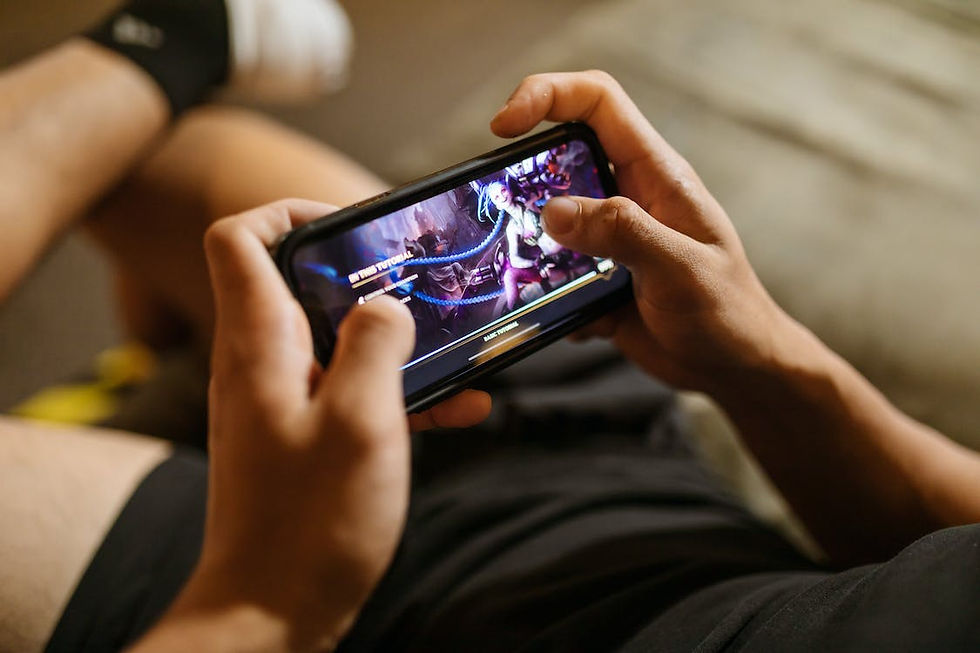
IV. The Impact of Social Media on the Gaming Community
A. Community Building
Social media has had a significant impact on the gaming community by facilitating the building of online communities around specific games or gaming genres. Social media platforms such as Reddit and Discord allow gamers to connect with each other and discuss their shared interests. This can lead to the formation of communities based on specific games or gaming genres, allowing gamers to connect and share their experiences with others who have similar interests.
B. Increased Engagement and Interactivity
Social media has also increased engagement and interactivity within the gaming community. Developers and publishers can use social media to interact directly with their players and gather feedback on their games. This can lead to a more engaged and loyal player base, as players feel that their opinions are valued and that they are being listened to by the developers and publishers.
C. Community-Driven Content Creation
Social media has also facilitated community-driven content creation within the gaming community. Platforms such as Twitch and YouTube allow gamers to share their gameplay experiences and create content for others to enjoy. This has led to the rise of gaming influencers and content creators, who have built up significant followings and can have a significant impact on the success of a game.
D. Toxicity and Harassment
However, social media has also brought about challenges within the gaming community, particularly around issues of toxicity and harassment. Online anonymity can make it easier for individuals to engage in toxic behavior, such as cyberbullying and harassment. This can have a negative impact on the gaming community, particularly for marginalized groups such as women and people of colour.
E. Impact on Mental Health
The impact of social media on mental health has also been a concern within the gaming community. The immersive nature of video games can lead to players becoming deeply invested in the games they play, which can lead to addiction and other mental health issues. Social media can exacerbate these issues by providing a constant stream of information and content related to the games, leading to feelings of FOMO (fear of missing out) and other negative emotions.
In conclusion, social media has had a significant impact on the gaming community, both positive and negative. It has facilitated community building, increased engagement and interactivity, and community-driven content creation. However, it has also brought about challenges around issues of toxicity and harassment, and has had a potential negative impact on mental health. As social media continues to play a significant role in the gaming industry, it is important for developers, publishers, and players to be aware of these impacts and work towards creating a safe and inclusive gaming community.
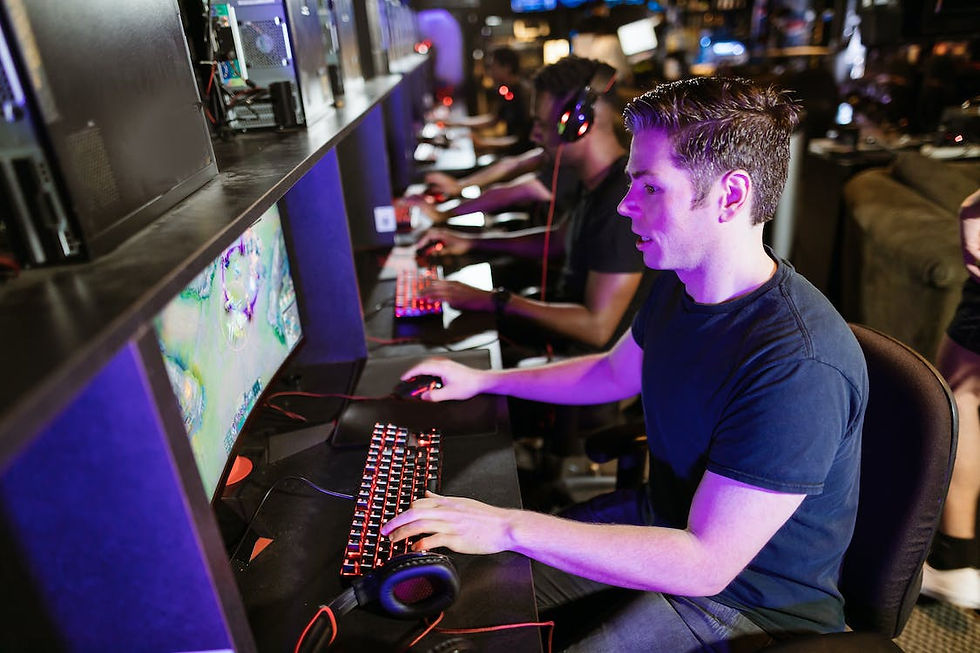
V. Conclusion: The Future of Social Media in Gaming
As we've seen, social media has become an essential component of the gaming industry. It plays a critical role in promoting and marketing games, as well as fostering community engagement and interaction. Looking to the future, it's clear that social media will continue to play a significant role in the gaming industry.
A. Integration of Social Media in Gaming
One trend that we're likely to see in the coming years is the integration of social media within games themselves. Some games already feature social media integration, allowing players to share their gameplay experiences on platforms like Facebook or Twitter. However, as social media becomes more deeply ingrained in our daily lives, we can expect to see games that are designed with social media in mind from the ground up.
B. The Rise of Social Gaming
Another trend that we're likely to see is the rise of social gaming. Social gaming refers to games that are designed to be played and shared on social media platforms. These games often have simple mechanics and are designed to be easily shareable, making them popular with casual gamers and those who are new to gaming.
C. Continued Growth of Gaming Influencers
We can also expect to see the continued growth of gaming influencers and content creators. These individuals have become an essential component of the gaming industry, with their ability to influence the success of a game through their social media presence and content creation. As social media continues to play a significant role in the gaming industry, we can expect to see more and more individuals seeking to build careers as gaming influencers.
D. Addressing Challenges
However, it's important to note that as social media continues to grow and evolve, so too will the challenges it poses for the gaming industry. Issues such as toxicity and harassment within the gaming community will continue to be a concern, and it's essential for developers, publishers, and players to work together to address these challenges.
In conclusion, social media has become an essential component of the gaming industry, and it's clear that it will continue to play a significant role in the years to come. The integration of social media within games themselves, the rise of social gaming, and the continued growth of gaming influencers are all trends that we can expect to see in the future. However, it's also essential to address the challenges that social media poses for the gaming community, to ensure that it remains a safe and inclusive space for all players.
Thanks for taking the time to read our analysis of the role of social media in the gaming industry. We hope you found it informative and insightful. If you enjoyed the post, be sure to subscribe to our newsletter for more content like this. And remember, social media is an ever-evolving landscape, so stay tuned for more updates on how it will continue to shape the gaming industry in the years to come.
Thanks a million for your support!
Best regards,
Moolah


Comments