


"The Benefits of Zero-Waste Living":
- The Moolah Team
- Jun 26, 2023
- 12 min read

This post will explore the benefits of zero-waste living, from reducing waste and conserving resources to saving money and living a simpler, more fulfilling life.
I. Introduction: The Importance of Zero-Waste Living
Living a zero-waste lifestyle has become increasingly popular in recent years, as people become more aware of the impact of their daily habits on the environment. Zero-waste living is a way of life that focuses on reducing waste as much as possible, and it involves making conscious choices about the products we use, the food we eat, and the resources we consume.
Zero-waste living is more than just a trend or a fad – it is a way of living that has a positive impact on the planet and on our own lives. By reducing waste and conserving resources, we can make a significant difference in the world around us. In this blog post, we'll explore the benefits of zero-waste living in-depth, from reducing waste and conserving resources to saving money and living a simpler, more fulfilling life.
Zero-waste living is not about being perfect or completely eliminating waste from our lives. It's about making small changes and choices that can add up to make a big difference. Whether you're new to zero-waste living or have been practicing it for years, there are always new ways to reduce waste and live a more sustainable life.
In this post, we'll provide practical tips and advice on how to reduce waste and live a more sustainable lifestyle. We'll also explore the many benefits of zero-waste living, and how it can help us lead a simpler, more fulfilling life. So, whether you're looking to reduce your environmental footprint, save money, or simply live a more mindful life, read on to learn more about the benefits of zero-waste living.
By embracing a zero-waste lifestyle, we can all make a positive impact on the world and on our own lives. So let's get started!

II. Benefits of Zero-Waste Living
Living a zero-waste lifestyle can have a variety of benefits, both for the environment and for our own lives. In this section, we'll explore some of the most significant benefits of zero-waste living, from reducing waste and conserving resources to saving money and living a simpler, more fulfilling life.
A. Reducing Waste and Conserving Resources
One of the most obvious benefits of zero-waste living is the reduction of waste and the conservation of resources. By making conscious choices about the products we use and the resources we consume, we can significantly reduce the amount of waste that ends up in landfills and the amount of resources that we consume.
For example, by using a reusable water bottle instead of buying single-use plastic bottles, we can reduce the amount of plastic waste that ends up in the ocean and in landfills. Similarly, by choosing to shop at thrift stores or buying second-hand items, we can reduce the demand for new products and conserve the resources needed to produce them.
B. Saving Money
Another benefit of zero-waste living is that it can help us save money. By reducing the amount of waste we produce and choosing to buy second-hand or use what we already have, we can save money on both the products we buy and the resources we consume.
For example, by choosing to make our own cleaning products or buying in bulk, we can save money on household items and reduce waste at the same time. By adopting a zero-waste lifestyle, we can also become more mindful of our spending habits and make conscious choices about the products we buy.
C. Living a Simpler, More Fulfilling Life
Finally, zero-waste living can also help us lead a simpler, more fulfilling life. By reducing the amount of clutter and excess in our lives, we can create a more peaceful and mindful living space. By choosing to focus on experiences rather than material possessions, we can cultivate a sense of gratitude and contentment in our lives.
Living a zero-waste lifestyle can also help us connect with our communities and the environment around us. By choosing to shop at local farmers' markets or participate in community composting programs, we can become more connected to our local communities and the natural world.
In conclusion, zero-waste living can have a variety of benefits, from reducing waste and conserving resources to saving money and living a simpler, more fulfilling life. By making conscious choices about the products we use and the resources we consume, we can all make a positive impact on the world and on our own lives.

III. Practical Tips for Zero-Waste Living
Living a zero-waste lifestyle can seem daunting at first, but it's easier than you might think. With some simple changes to our daily habits and routines, we can all make a positive impact on the environment and reduce the amount of waste we produce. In this section, we'll explore some practical tips for adopting a zero-waste lifestyle.
A. Reduce and Reuse
The first step to zero-waste living is to reduce the amount of waste we produce. By making conscious choices about the products we buy and the resources we consume, we can significantly reduce our environmental impact.
One of the easiest ways to reduce waste is to bring our own reusable bags, water bottles, and coffee cups when we go out. By avoiding single-use items, we can reduce the amount of waste that ends up in landfills and in the ocean.
We can also reduce waste by choosing to buy products with minimal packaging or by buying in bulk. By doing so, we can reduce the amount of plastic and paper waste that we generate.
Another important aspect of zero-waste living is to reuse items whenever possible. By choosing to repair and reuse items instead of throwing them away, we can conserve resources and reduce waste.
B. Composting and Recycling
Composting and recycling are also important aspects of zero-waste living. Composting allows us to turn food waste and other organic matter into nutrient-rich soil, which can be used to fertilize plants and gardens.
Recycling is another important aspect of zero-waste living. By recycling materials like paper, plastic, and glass, we can reduce the amount of waste that ends up in landfills and conserve resources.
However, it's important to note that recycling is not a perfect solution. It's important to recycle correctly and to avoid contamination of the recycling stream. This means making sure that items are clean and dry before recycling them, and making sure that only items that are accepted by your local recycling program are put in the recycling bin.
C. Choose Sustainable Products
Finally, choosing sustainable products is an important aspect of zero-waste living. By choosing products made from sustainable materials, we can reduce our environmental impact and support companies that prioritize sustainability.
When choosing products, look for those made from sustainable materials like bamboo, recycled plastic, and organic cotton. Choose products that are made to last, and avoid items that are designed to be disposable or have a short lifespan.
In conclusion, living a zero-waste lifestyle is easier than you might think. By adopting some simple habits and making conscious choices about the products we buy and the resources we consume, we can all make a positive impact on the environment and reduce the amount of waste we produce. Remember to reduce and reuse, compost and recycle, and choose sustainable products whenever possible.

IV. The Benefits of Zero-Waste Living
Adopting a zero-waste lifestyle comes with many benefits, from reducing waste and conserving resources to saving money and living a simpler, more fulfilling life. In this section, we'll explore some of the key benefits of zero-waste living.
A. Reducing Waste and Conserving Resources
The most obvious benefit of zero-waste living is the reduction of waste and conservation of resources. By reducing the amount of waste we produce, we can help to conserve natural resources and reduce the impact of waste on the environment.
Zero-waste living can also help to reduce greenhouse gas emissions. When waste is sent to landfills, it decomposes and produces methane, a potent greenhouse gas that contributes to climate change. By reducing the amount of waste that goes to landfills, we can help to mitigate the effects of climate change.
B. Saving Money
Another benefit of zero-waste living is the potential to save money. By choosing to buy products with minimal packaging and by buying in bulk, we can save money on the cost of the products themselves. Additionally, by reducing the amount of waste we produce, we can save money on garbage and recycling fees.
C. Living a Simpler, More Fulfilling Life
Zero-waste living can also help us to live a simpler, more fulfilling life. By reducing the amount of stuff we own and consume, we can free up space in our homes and lives. This can lead to a greater sense of calm and contentment, as we learn to appreciate the things we have instead of constantly striving for more.
In addition, zero-waste living can help us to connect with our communities and the natural world. By shopping locally and choosing products that are made sustainably, we can support local businesses and reduce our impact on the environment.
D. Setting an Example for Others
Finally, living a zero-waste lifestyle can help us to set an example for others. By adopting sustainable habits and making conscious choices about the products we buy and the resources we consume, we can inspire others to do the same. By leading by example, we can create a ripple effect that extends beyond our own lives and communities.
In conclusion, zero-waste living offers many benefits, from reducing waste and conserving resources to saving money and living a simpler, more fulfilling life. By adopting sustainable habits and making conscious choices about the products we buy and the resources we consume, we can all make a positive impact on the environment and inspire others to do the same.
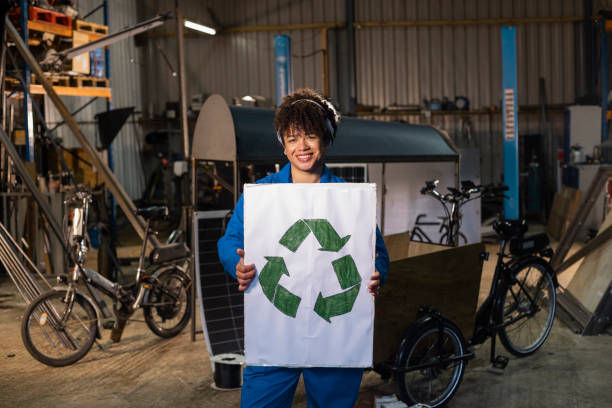
V. How to Live a Zero-Waste Lifestyle
If you're interested in living a zero-waste lifestyle, there are several steps you can take to reduce your waste and conserve resources. In this section, we'll explore some practical tips for living a zero-waste lifestyle.
A. Start Small
The key to living a zero-waste lifestyle is to start small. You don't need to make drastic changes all at once. Instead, focus on making small changes that you can sustain over time. For example, you might start by bringing your own reusable bags and containers to the grocery store or by composting your food waste.
B. Shop Mindfully
Another important aspect of living a zero-waste lifestyle is to shop mindfully. Before making a purchase, consider whether you really need the item and whether it's packaged in a sustainable way. Choose products with minimal packaging and look for products that are made from sustainable materials.
C. Reduce Food Waste
Reducing food waste is a key component of living a zero-waste lifestyle. One way to do this is to plan your meals ahead of time and only buy the food you need. You can also freeze leftovers or use them in creative ways to minimize waste.
D. Use Reusable Products
Using reusable products is another important step in living a zero-waste lifestyle. This includes reusable bags, containers, and water bottles. You can also switch to using cloth napkins instead of paper, and use washable cleaning cloths instead of disposable ones.
E. Compost
Composting is a great way to reduce waste and create nutrient-rich soil for your garden. You can compost food scraps, yard waste, and even paper products. There are many different ways to compost, from using a compost bin to creating a compost pile in your backyard.
F. Repair and Reuse
Repairing and reusing items is another important aspect of living a zero-waste lifestyle. Instead of throwing away a broken item, consider whether it can be repaired or repurposed. You can also donate or sell items that you no longer need, rather than throwing them away.
In conclusion, living a zero-waste lifestyle is all about making conscious choices and taking small steps to reduce waste and conserve resources. By starting small, shopping mindfully, reducing food waste, using reusable products, composting, and repairing and reusing items, you can make a positive impact on the environment and inspire others to do the same. Remember, every small step counts, and together we can create a more sustainable future.

VI. Overcoming Challenges in a Zero-Waste Lifestyle
While living a zero-waste lifestyle has many benefits, it can also come with its fair share of challenges. In this section, we'll explore some common challenges and provide tips for overcoming them.
A. Social Pressures
One of the biggest challenges of living a zero-waste lifestyle is navigating social pressures. When you're at a social event or eating out, it can be difficult to avoid single-use plastics and other wasteful items. One way to overcome this challenge is to bring your own reusable items, such as a water bottle or utensils. You can also politely decline single-use items and explain why you're trying to live a zero-waste lifestyle.
B. Convenience
Another common challenge of living a zero-waste lifestyle is convenience. It can be more time-consuming to prepare meals from scratch, shop at bulk stores, and compost food waste. However, there are ways to make zero-waste living more convenient. For example, you can meal prep in advance, shop at stores that offer bulk items, and create a composting system that works for your lifestyle.
C. Cost
Living a zero-waste lifestyle can also come with a higher upfront cost, as you invest in reusable items and may need to purchase more expensive eco-friendly products. However, over time, you'll save money by not buying single-use items and reducing your overall consumption. Additionally, you can save money by making your own cleaning products and repairing items instead of buying new ones.
D. Lack of Access
For some people, living a zero-waste lifestyle may be more challenging due to a lack of access to resources. For example, if you live in a rural area, it may be difficult to find bulk stores or composting facilities. In these cases, you can focus on making small changes that are feasible for your situation, such as using reusable bags and containers and reducing food waste.
E. Perfectionism
Finally, one of the biggest challenges of living a zero-waste lifestyle is perfectionism. It's important to remember that zero-waste living is a journey, not a destination. You don't need to be perfect, and it's okay to make mistakes. Instead, focus on making progress and celebrating your accomplishments along the way.
In conclusion, while living a zero-waste lifestyle can come with its fair share of challenges, there are ways to overcome them. By bringing your own reusable items, making zero-waste living more convenient, focusing on the long-term cost savings, making small changes that are feasible for your situation, and letting go of perfectionism, you can live a fulfilling and sustainable life. Remember, every small step counts, and together we can create a brighter future for the planet.

VII. Zero-Waste Living and Community
Living a zero-waste lifestyle not only benefits the environment and the individual but also has a positive impact on the community. The zero-waste movement has grown in popularity in recent years, with individuals coming together to share tips, ideas, and encouragement to reduce waste and live more sustainably.
A community that supports zero-waste living can create a ripple effect that inspires others to make changes in their own lives. By sharing resources, organizing community events, and providing education, zero-waste communities can help others reduce waste and live more sustainably.
One way that zero-waste communities can support their members is by creating a network for sharing resources. This can include sharing tips on reducing waste, sharing tools for repairing and repurposing items, and organizing bulk purchasing to reduce packaging waste. By sharing resources, individuals can save money and reduce waste together.
Another way that zero-waste communities can make a difference is by organizing community events that promote sustainability. This can include clothing swaps, repair workshops, and zero-waste potlucks. These events provide opportunities for members to connect with each other, learn new skills, and share ideas on how to reduce waste in their daily lives.
Education is also an important aspect of zero-waste communities. By providing education on sustainability, individuals can learn about the impact of their actions on the environment and how they can make positive changes. This education can include workshops on composting, recycling, and reducing waste, as well as discussions on sustainable living practices.
In addition to these practical benefits, zero-waste communities can also provide a sense of community and belonging. By coming together around a common goal, individuals can connect with others who share their values and support each other in their journey towards a more sustainable lifestyle.
Overall, zero-waste communities have the potential to create positive change not only for individuals but also for the wider community. By sharing resources, organizing events, and providing education, these communities can help others reduce waste and live more sustainably, while also fostering a sense of community and connection.

VIII. Conclusion: Embracing Zero-Waste Living
As we have seen throughout this article, there are numerous benefits to adopting a zero-waste lifestyle. Not only can we reduce the amount of waste we produce and conserve natural resources, but we can also save money, improve our health, and live a simpler, more fulfilling life.
While making the transition to zero-waste living may seem daunting at first, it is important to remember that every small change can make a big impact. Starting with simple steps like bringing reusable bags to the grocery store or using a refillable water bottle can gradually lead to more significant changes in our consumption patterns.
It is also essential to remember that zero-waste living is not about perfection. It is about doing what we can to reduce waste and live a more sustainable life. If we all make small changes and work together, we can create a world where zero waste is the norm, not the exception.
In conclusion, embracing zero-waste living is not only good for the planet but also good for ourselves. By reducing waste, conserving resources, and simplifying our lives, we can create a healthier and more sustainable future for ourselves and future generations.
Thanks for taking the time to read this article on the benefits of zero-waste living. We hope that you found it informative and inspiring. Remember, every small step towards reducing waste counts and can make a difference. So why not give it a try and see how you can incorporate zero-waste practices into your daily life?
If you enjoyed this post and want to learn more about sustainable living, be sure to subscribe to our newsletter for updates on new articles and tips on how to live a more eco-friendly lifestyle.
Thanks again for reading and for your commitment to a greener future.
Best regards,
Moolah


Comments