


The Latest Trends in Renewable Energy Technology:
- The Moolah Team
- Jun 15, 2023
- 13 min read

Renewable energy technologies, such as solar and wind power, are becoming increasingly popular as alternatives to fossil fuels.
In this blog post, we will discuss the latest developments in renewable energy technology, its potential impact on the energy industry and the environment, and the challenges and opportunities that come with its deployment.
I. Introduction:
Renewable energy technology has been gaining momentum in recent years as a more sustainable and cleaner alternative to traditional fossil fuels. It has become a significant focus in the energy industry due to concerns about climate change, energy security, and environmental degradation.
As our global population continues to grow, so does our energy demand. Unfortunately, our current reliance on non-renewable sources of energy like coal, oil, and natural gas is not only unsustainable but also poses a significant threat to our planet's health. The continued use of these non-renewable sources of energy is causing a rapid increase in carbon emissions, which contributes to the greenhouse effect and global warming.
Renewable energy technology provides a solution to this problem. By harnessing the power of natural resources like the sun, wind, and water, we can generate clean and sustainable energy. In this blog post, we will explore the latest trends in renewable energy technology, its potential impact on the energy industry and the environment, and the challenges and opportunities that come with its deployment.
As renewable energy technology continues to evolve, it is increasingly becoming more accessible and cost-effective. The costs associated with renewable energy technologies have been declining steadily, and this trend is expected to continue as the technologies improve and economies of scale are realized.
The benefits of renewable energy technology are numerous. Renewable energy sources are cleaner and produce significantly fewer carbon emissions compared to traditional fossil fuels, making them a crucial element in mitigating climate change. Furthermore, renewable energy technologies are more sustainable, reducing our reliance on finite resources like coal, oil, and natural gas.
Renewable energy technology also has the potential to create jobs and stimulate economic growth, particularly in rural and remote areas where renewable energy resources are abundant. The deployment of renewable energy technologies could also lead to energy independence and increased energy security.
In conclusion, the deployment of renewable energy technologies is essential to our planet's health and to our economic future. By investing in and developing renewable energy technologies, we can reduce our carbon footprint, reduce our reliance on finite resources, and create a more sustainable future for ourselves and future generations. In the next sections, we will explore the latest trends in renewable energy technology and the potential impact and challenges that come with its deployment.

II. Solar Power:
Solar power has been a significant focus of the renewable energy industry for many years. It is the most abundant source of renewable energy and has the potential to meet a significant portion of our global energy demand.
One of the latest trends in solar power technology is the use of solar panels with higher conversion efficiency. This means that more energy can be generated from the same amount of sunlight, reducing the amount of land required for solar farms and lowering the cost of solar energy.
Another trend in solar power technology is the use of floating solar farms. Floating solar farms are an innovative way to generate solar power in areas where land is limited, such as near coastlines or on reservoirs. They can also help to reduce evaporation rates in reservoirs, making them more efficient for water storage.
In addition to these technological advancements, solar power has become more accessible to individual consumers. The cost of solar panels has been declining steadily, making it more affordable for households to install solar panels on their roofs and generate their own electricity. This trend has been supported by government incentives and policies that encourage the use of renewable energy.
The deployment of solar power has the potential to reduce our carbon footprint significantly. By replacing fossil fuels with solar power, we can reduce our reliance on finite resources and mitigate climate change. Solar power also has the potential to create jobs and stimulate economic growth, particularly in rural areas where solar resources are abundant.
However, the deployment of solar power also poses some challenges. One of the main challenges is the intermittency of solar power. Solar power generation is dependent on sunlight, which can vary depending on weather conditions and time of day. This means that additional storage solutions are required to ensure a reliable supply of electricity.
Another challenge is the requirement for a significant amount of land for solar farms. While floating solar farms can help to reduce this requirement, they are not suitable for all areas. Therefore, it is essential to consider the environmental impact and land use implications of large-scale solar farms.
In conclusion, solar power is an essential element of the renewable energy industry. The latest technological advancements in solar power, along with government incentives and policies, have made it more accessible and affordable to consumers. The deployment of solar power has the potential to reduce our reliance on fossil fuels, mitigate climate change, and create jobs and stimulate economic growth. However, challenges related to intermittency and land use must be addressed to ensure a reliable and sustainable supply of solar power.

III. Wind Power:
Wind power is another essential component of the renewable energy industry. It has the potential to generate a significant amount of electricity and reduce our reliance on finite resources such as coal and natural gas.
One of the latest trends in wind power technology is the use of larger and more efficient turbines. These turbines can generate more electricity and can be installed in areas with lower wind speeds, making wind power more accessible to a wider range of locations.
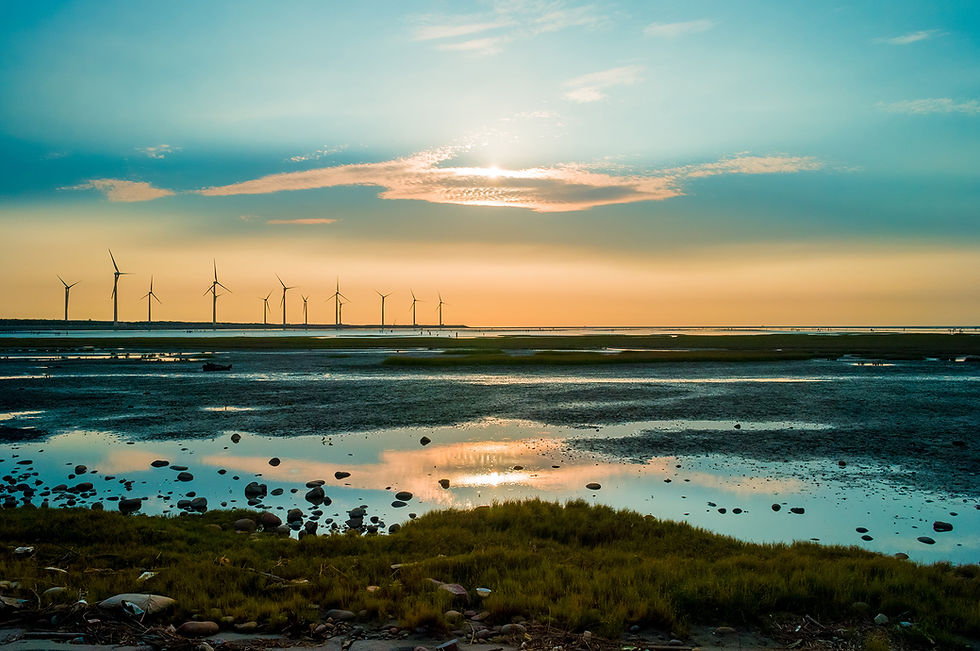
Another trend in wind power technology is the use of offshore wind farms. Offshore wind farms have several advantages over onshore wind farms, including higher wind speeds and less visual impact on the surrounding landscape. They can also be located closer to population centres, reducing the need for long transmission lines.
Wind power has also become more affordable in recent years. The cost of wind turbines has been declining, making wind power more competitive with fossil fuels. Government incentives and policies, such as tax credits and renewable portfolio standards, have also helped to drive the deployment of wind power.
The deployment of wind power has the potential to create jobs and stimulate economic growth, particularly in rural areas where wind resources are abundant. Wind power can also reduce our carbon footprint significantly, as it is a clean and renewable source of energy.
However, like solar power, wind power also poses some challenges. One of the main challenges is the intermittency of wind power. Wind speeds can vary significantly, depending on weather conditions and time of day, making it challenging to maintain a consistent supply of electricity.
Another challenge is the potential impact on wildlife, particularly birds and bats. Wind turbines can pose a risk to flying animals, and it is essential to consider the potential environmental impact when siting wind farms.
In conclusion, wind power is an essential component of the renewable energy industry. The latest technological advancements in wind power, along with government incentives and policies, have made it more accessible and affordable to consumers. The deployment of wind power has the potential to reduce our reliance on fossil fuels, mitigate climate change, and create jobs and stimulate economic growth. However, challenges related to intermittency and environmental impact must be addressed to ensure a reliable and sustainable supply of wind power.

IV. Hydro Power:
Hydro power is another renewable energy technology that has been in use for centuries. It involves the use of falling or flowing water to generate electricity, typically through the use of dams or other water control structures.
One of the latest trends in hydro power technology is the development of small-scale hydroelectric systems. These systems can be installed in small rivers or streams and can generate electricity for homes and businesses in remote locations. They have the potential to provide electricity to areas that are not served by the conventional grid, reducing our reliance on fossil fuels.
Another trend in hydro power technology is the use of pumped storage hydroelectricity. This technology involves pumping water to an elevated reservoir during periods of low electricity demand and then releasing it through turbines to generate electricity during periods of high demand. Pumped storage hydroelectricity can help to stabilize the electricity grid and mitigate the intermittency of other renewable energy sources.
Hydro power has several advantages over other renewable energy sources. It is a reliable source of electricity that can be generated 24/7, and it does not produce any greenhouse gas emissions or air pollution. Hydro power can also provide other benefits, such as flood control, irrigation, and recreational opportunities.
However, hydro power also poses some challenges. One of the main challenges is the impact on aquatic ecosystems. Dams and other water control structures can disrupt the natural flow of rivers and streams, affecting fish populations and water quality. It is essential to consider the potential environmental impact when siting hydroelectric projects.
Another challenge is the potential for dam failures. Dams can be vulnerable to extreme weather events such as floods or earthquakes, which can lead to catastrophic failures and damage to downstream communities.
In conclusion, hydro power is a reliable and clean source of electricity with several advantages over other renewable energy sources. The latest technological advancements in hydro power, including small-scale hydroelectric systems and pumped storage hydroelectricity, have made it more accessible and affordable to consumers. However, challenges related to environmental impact and dam safety must be addressed to ensure a sustainable and reliable supply of hydro power.

V. Geothermal Energy:
Geothermal energy is a type of renewable energy that harnesses the natural heat of the Earth's interior to generate electricity. The technology involves tapping into hot water and steam reservoirs deep underground and using the heat to produce steam to drive turbines and generate electricity.
One of the latest trends in geothermal energy is the use of enhanced geothermal systems (EGS). EGS involves drilling deep into the Earth's crust and injecting water to create a permeable reservoir. The water is then heated by the surrounding rocks and extracted as steam to generate electricity. EGS has the potential to produce significant amounts of clean energy and reduce our dependence on fossil fuels.
Another trend in geothermal energy is the use of binary cycle power plants. Binary cycle power plants use a heat exchanger to transfer heat from geothermal water to a secondary fluid with a lower boiling point, such as isobutene. The secondary fluid vaporizes and drives a turbine to produce electricity. Binary cycle power plants can operate at lower temperatures than traditional geothermal power plants, making them suitable for a wider range of geothermal resources.
Geothermal energy has several advantages over other renewable energy sources. It is a reliable source of electricity that can be generated 24/7, and it does not produce any greenhouse gas emissions or air pollution. Geothermal energy can also provide other benefits, such as heating and cooling for buildings and greenhouses.
However, geothermal energy also poses some challenges. One of the main challenges is the limited availability of suitable geothermal resources. Geothermal resources are only found in certain areas of the world, such as along tectonic plate boundaries or volcanic areas. The high cost of drilling and developing geothermal resources can also make it an expensive technology to deploy.
Another challenge is the potential for environmental impact. Geothermal power plants can cause seismic activity and release greenhouse gases, although these emissions are much lower than those from fossil fuel power plants. It is essential to consider the potential environmental impact when siting geothermal projects.
In conclusion, geothermal energy is a promising source of clean, reliable electricity with several advantages over other renewable energy sources. The latest technological advancements in geothermal energy, including enhanced geothermal systems and binary cycle power plants, have made it more accessible and affordable to consumers. However, challenges related to resource availability and environmental impact must be addressed to ensure a sustainable and reliable supply of geothermal energy.

VI. Ocean Energy:
Ocean energy is a type of renewable energy that harnesses the power of the ocean's tides, waves, and currents to generate electricity. The technology involves capturing the kinetic energy of the moving water and converting it into electrical power.
One of the latest trends in ocean energy is the use of tidal turbines. Tidal turbines work like underwater wind turbines, except they are powered by the movement of ocean tides instead of wind. Tidal turbines are anchored to the ocean floor and have blades that spin as the tides flow past, generating electricity. Tidal energy has the potential to produce significant amounts of clean energy and reduce our dependence on fossil fuels.
Another trend in ocean energy is the use of wave energy converters. Wave energy converters convert the up and down motion of ocean waves into electrical power. They work by using a floating device that moves up and down with the waves, which drives a generator to produce electricity. Wave energy has the potential to provide a consistent source of renewable energy, as waves are more predictable than wind or solar energy.
However, ocean energy also poses some challenges. One of the main challenges is the high cost of developing and deploying ocean energy technologies. The harsh ocean environment can also make it difficult to maintain and repair ocean energy systems. In addition, ocean energy technologies can have environmental impacts, such as affecting marine life and changing ocean currents.
Despite these challenges, ocean energy has the potential to play a significant role in the future of renewable energy. As technology continues to improve and costs decrease, ocean energy could become a more competitive and viable alternative to fossil fuels.
In conclusion, ocean energy is a promising source of renewable energy that has the potential to provide significant amounts of clean electricity. The latest technological advancements in ocean energy, such as tidal turbines and wave energy converters, have made it more accessible and affordable to consumers. However, challenges related to cost, maintenance, and environmental impact must be addressed to ensure a sustainable and reliable supply of ocean energy.

VII. Challenges and Opportunities in the Deployment of Renewable Energy Technologies
Renewable energy technologies are a promising alternative to fossil fuels, but their deployment comes with a number of challenges and opportunities.
One of the biggest challenges in deploying renewable energy technologies is the intermittency of renewable sources such as solar and wind power. These sources are dependent on weather conditions and are not always available when needed. To address this issue, energy storage systems such as batteries and pumped hydro storage can be used to store excess energy generated during peak times and release it during periods of low generation.
Another challenge is the high initial cost of deploying renewable energy technologies. While the cost of renewable energy has been decreasing over the years, the upfront cost of installing solar panels, wind turbines, and other renewable energy infrastructure can still be a significant barrier to entry for many individuals and organizations. To address this challenge, governments and other organizations can offer incentives such as tax credits, rebates, and subsidies to help offset the initial cost of deploying renewable energy technologies.
In addition to challenges, the deployment of renewable energy technologies also presents many opportunities. One of the biggest opportunities is the potential to create jobs and stimulate economic growth. According to the International Renewable Energy Agency, the renewable energy sector employed 11.5 million people worldwide in 2019, and this number is expected to continue growing as more renewable energy technologies are deployed.
Renewable energy technologies also have the potential to improve energy access and security, particularly in developing countries. Off-grid renewable energy systems can provide electricity to rural communities that are not connected to the main power grid, improving their quality of life and enabling them to participate in the modern economy.
Finally, the deployment of renewable energy technologies can also contribute to mitigating the impacts of climate change. By reducing greenhouse gas emissions, renewable energy technologies can help slow the pace of global warming and reduce the risk of extreme weather events, sea level rise, and other impacts of climate change.
Overall, while the deployment of renewable energy technologies presents its share of challenges, it also offers many opportunities to create a more sustainable, equitable, and prosperous future. By addressing these challenges and leveraging these opportunities, we can accelerate the transition to a renewable energy future and realize the many benefits that it has to offer.

VIII. Challenges and Opportunities
Despite the many benefits of renewable energy technologies, there are also some challenges and limitations that must be addressed. One of the biggest challenges is the intermittent nature of solar and wind power. These sources rely on weather patterns, which can vary from day to day, making it difficult to maintain a consistent supply of energy. This can be especially problematic during peak demand periods when energy consumption is at its highest.
Another challenge is the need for energy storage solutions to balance supply and demand. Battery storage technology has advanced significantly in recent years, making it possible to store excess energy generated during periods of low demand for use during peak hours. However, current storage solutions are still relatively expensive and not yet widespread enough to provide a complete solution.
A related challenge is the need for a more robust and interconnected energy grid that can distribute renewable energy across regions and even countries. This requires significant investment in infrastructure and transmission lines, as well as regulatory changes to promote interconnection and sharing of resources.
Another challenge is the impact of renewable energy on local ecosystems and communities. Large-scale solar and wind farms can take up significant amounts of land and disrupt local habitats, as well as cause noise pollution and other disturbances for nearby residents. It is important for renewable energy projects to be designed and implemented in a way that minimizes these negative impacts and maximizes their benefits for local communities.
Despite these challenges, renewable energy technologies offer significant opportunities for innovation and growth in the energy industry. The shift toward renewable energy is creating new markets and job opportunities in manufacturing, installation, and maintenance of renewable energy infrastructure. It also provides an opportunity to reduce dependence on fossil fuels and their associated geopolitical risks, as well as mitigate climate change and its impact on the environment.
In conclusion, renewable energy technologies are rapidly transforming the energy industry and offer a promising solution to the challenges posed by climate change and energy security. While there are still obstacles to overcome, continued investment and innovation in renewable energy can help create a more sustainable and prosperous future for all.

IX. Conclusion: The Future of Renewable Energy Technology
Renewable energy technologies have come a long way in recent years, with the development of new materials, better manufacturing techniques, and improved efficiency. The growth of renewable energy is driven by both environmental concerns and economic incentives, as the cost of renewable energy continues to decline and the price of fossil fuels remains volatile.
In this blog post, we have discussed the latest trends in renewable energy technology, including solar, wind, geothermal, and hydroelectric power. We have examined the potential impact of these technologies on the energy industry and the environment, and the challenges and opportunities that come with their deployment.
While renewable energy technologies offer great promise, there are still significant barriers to their widespread adoption, including regulatory hurdles, technical challenges, and resistance from traditional energy industry players. However, with the right policies and investments, renewable energy can become a key part of the world's energy mix, reducing greenhouse gas emissions and creating new economic opportunities.
The future of renewable energy is bright, with new technologies and innovations emerging every year. The key to unlocking the full potential of renewable energy is collaboration between governments, businesses, and individuals, to create a sustainable energy future for all.
In conclusion, renewable energy is no longer a niche technology, but a mainstream source of energy that is rapidly changing the energy landscape. As we continue to develop and deploy renewable energy technologies, we can create a cleaner, healthier, and more prosperous world for ourselves and future generations.
Thank you for taking the time to read this in-depth exploration of the latest trends in renewable energy technology. We hope you found it informative and engaging. If you enjoyed this post, please consider subscribing to our newsletter to stay up-to-date on the latest developments in renewable energy and other exciting topics. We appreciate your support, and we look forward to continuing the conversation with you. Thanks a million!
Best regards,
Moolah


Comments